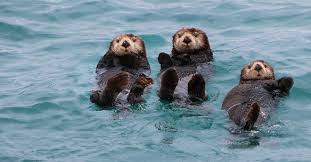
Otters are playful, intelligent mammals that live both on land and in water. Belonging to the weasel family, these sleek animals are known for their energetic personalities, thick fur, and impressive swimming abilities. Found on every continent except Australia and Antarctica, otters thrive in river, lakes, wetlands, and coastal oceans.
One of the most well-known species is the Sea Otter, which lives along the Pacific coast North America. Sea otters hold hands while sleeping so they don’t drift apart. They use rocks to crack open shellfish, making them one of the few mammals that regularly use tools. Their dense fur is one of the thickest in the animal kingdom, it keeps them warm in cold ocean waters.
Another common species is the North America river otter. These otters are excellent swimmers and can hold their breath underwater for several minutes while hunting fish, frogs, and crustaceans. On land, they are known for sliding down muddy or snowy banks for fun.
Otters play an important role in their ecosystems. For example, sea otters help maintain healthy kelp forests by eating sea urchins, which can otherwise overgraze kelp. Because of this they are considered a keystone species, which means their presence has a big impact on the environment around them.
Despite their playful image, otters face threats such as habitat destruction, pollution, and oil spills. Conservation efforts have helped some populations recover, but protecting clean waterways remains essential for their survival.