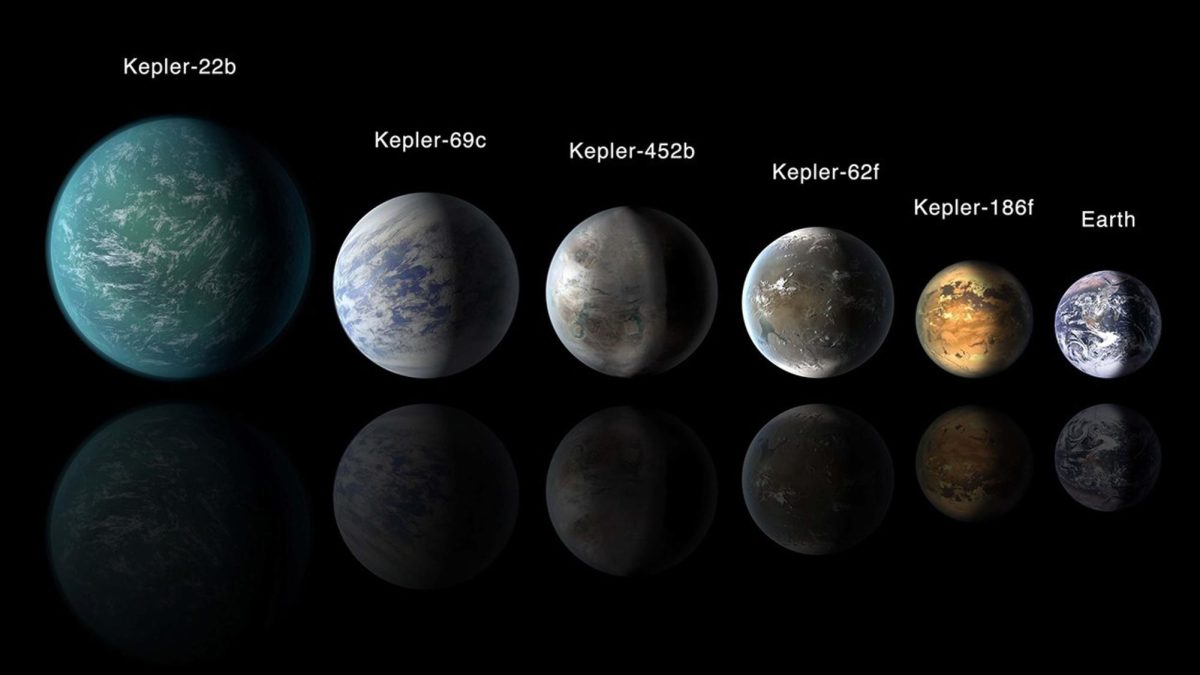
NASA has a long-term exoplanet exploration strategy primarily motivated by the goal of identifying undeniable evidence of active living things beyond our solar system. Although timelines for achieving this milestone remain almost uncertain, they rely big time on two main factors: how often life originates across our galaxy, and our fate in detecting faint biosignatures during these investigations. The lookout for biosignatures is where scientists are using advanced devices such as the James Webb Space Telescope, to identify atmospheric gases like DMS (dimethyl sulfide) that, on Earth, are specifically produced by microorganisms.
Over time, the information that has been gathered by exoplanet-hunting missions, mostly note NASA’s Kepler. The advanced device, James Webb Space Telescope, is currently providing scientists with foundational evidence, putting aside the existence of potentially habitable environments beyond the solar system. The JWST, which is engineered to specifically prove the atmospheres of gas giants as well as super-Earths, has already started defining promising worlds; potentially even identifying outsized, “Hycean” versions of Earth. Noting this, the upcoming Nancy Grace Roman Space Telescope- formerly known as WFIRST and set to launch as early as fall of 2026- will utilize sophisticated devices to directly image distant planets by suppressing their host stairs blinding glare. By collecting what is given, the reflected light from these far worlds / planets, the Roman telescope aims to detect specific atmospheric signatures, such as oxygen, water vapor, or other strong biosignatures that could potentially indicate the presence of life. With these efforts, they serve as huge stepping stones towards detecting if there is, or ever will be, life on another planet. If we were to get lucky, the search for signals of other life could potentially take decades.
Sara Seager, a MIT physics professor looks for possible combinations (chemical) that could identify the presence of alien life. With biochemistry colleagues and her, they firstly focus on six main elements associated with life on Earth: carbon, nitrogen, oxygen, phosphorus, as well as sulfur and hydrogen. Once Seager said, “We’re going to have so few planets, we have to get lucky. I don’t want to miss anything. I don’t want to miss it because we weren’t smart enough to think of some molecule.” This tells us that if the slightest detail, information, or formula is to be wrong, it can cause low accuracy or total false information. Overall, while there is no true real evidence to life on another planet; it is highly probable that life exists somewhere else, given the thousands above millions of planets in the universe. Although scientists are actively searching for other life, none have yet to be confirmed to date.