Reports suggest 1 in 20,000 to 1 in 40,000 people have Dravet syndrome according to the Epilepsy Foundation. Dravet Syndrome is a rare form of treatment-resistant epilepsy that is believed to affect 3,000 children in England alone. However a phase two clinical trial in England may have found a way to combat this. The trial was led by Helen Cross, director and professor of childhood epilepsy at the UCL Institute of Child Health, and consultant pediatric neurologist at Great Ormond. “I regularly see patients with hard-to-treat genetic epilepsies, who can have multiple seizures a week,” said Professor Cross. “Many are unable to do anything independently for themselves; they require around the clock care and are at high risk of sudden expected death in epilepsy.”
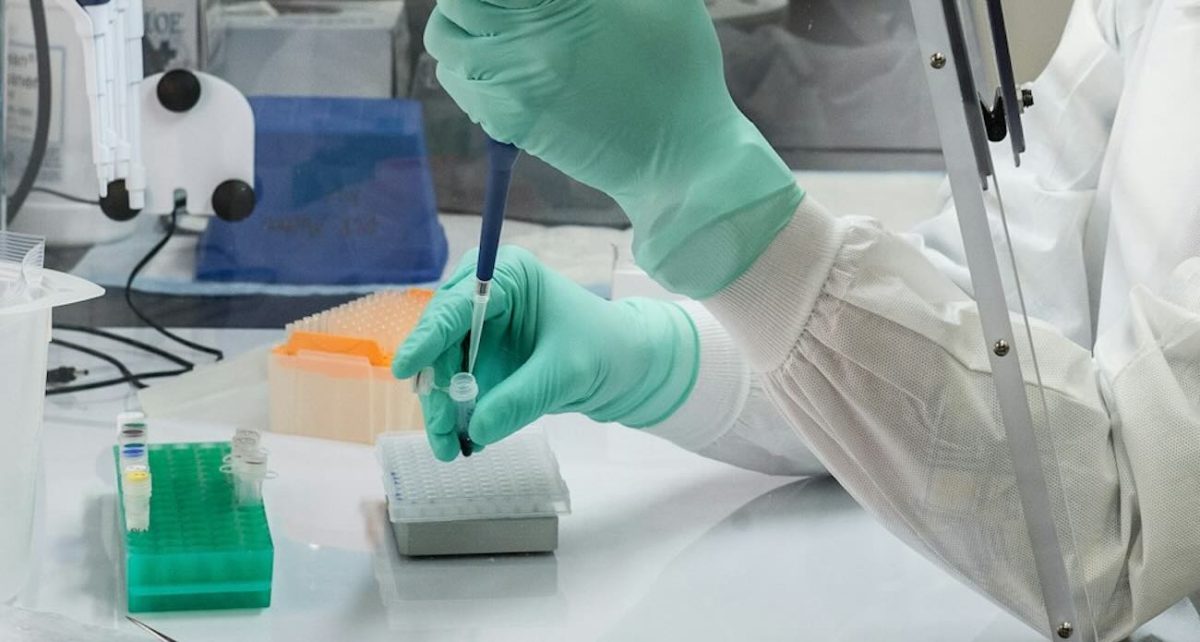
81 children between the ages of 2 and 18 were involved in the trial. Each of them suffered 18 seizures a month. They were given a drug called Zorevunersen and after 1 dose their monthly seizures were reduced by 50% and after 3 that was further reduced to 80%. No significant side effects were reported.
Cross is hopeful that Zorevunersen “could help children with Dravet syndrome lead much healthier and happier lives,” and is putting together a phase 3 trial to prove this.There are now over 800 genetic epilepsies that need therapeutics similar to Zorevunersen,” the uninvolved Dr. Alfredo Gonzalez-Sulser from the Institute for Neuroscience and Cardiovascular Research, University of Edinburgh, told the Guardian. “This sets a clear path to achieve effective interventions for these severe life-altering diseases for both patients and carers.”