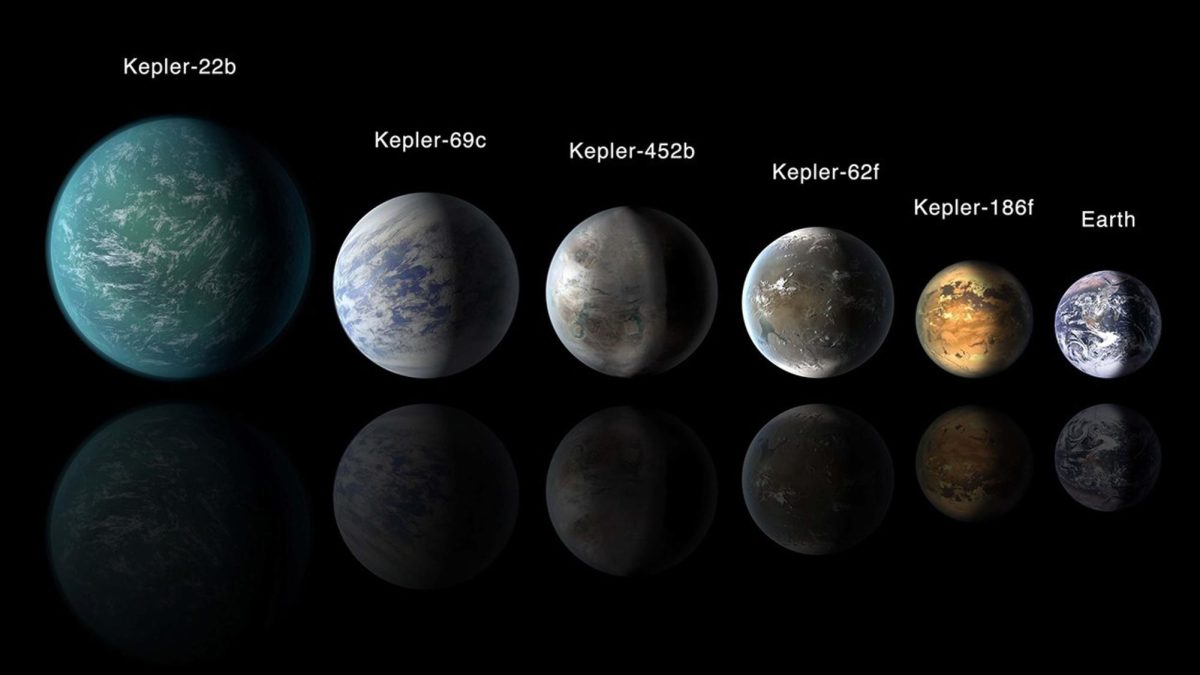
There was a survey done by a telescope named Kepler that covered 500,000 stars. It ended 8 years ago but the results of the survey have not been fully studied to this day. The intention was to find any planets that were similar to earth. This would have been a daunting task so a program was created to single out any significant planets in the data set. This program however was not 100% accurate which would allow for new discoveries to be made later on.
A group of students at the Max Planck Institute for Astronomy were put together to look through the data sets. Alexander Venner found something that nobody else had, it was an Earth-like exoplanet. “It was completely missed,” Mr. Venner told Science Magazine about his discovery, presented at the Rocky Worlds conference in Groningen. “The best way to detect it was to actually just look.”
Planets like this are found by pointing a telescope at a star and waiting for something to block the view. The first man to ever discover a planet using this technique believed that there must be millions of them. This specific planet is also particularly exciting as it is a good distance away from its star, allowing it to not be too hot or too cold to support life.