
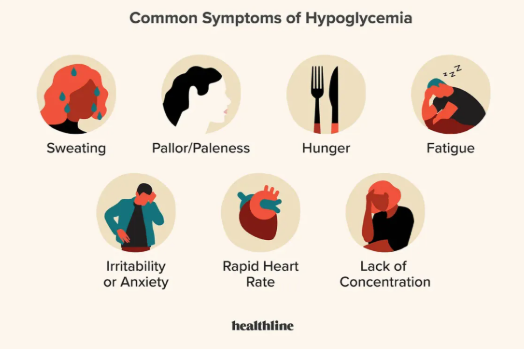
Hypoglycemia or low blood sugar occurs when glucose levels drop below 70 milligrams causing symptoms like shakiness, sweating, and dizziness. Often linked to diabetes management it requires prompt treatment such as consuming carbohydrates to prevent severe life threatening complications or unconsciousness. Hypoglycemia is a condition or sign of an underlying issue rather than a disease itself. Defined as blood sugar falling extremely low.
Hypoglycemia is highly treatable typically by consuming fifteen grams of fast acting carbohydrates to quickly raise sugar levels. It requires immediate action using the fifteen fifteen rule fifteen grams of carbs wait fifteen minutes recheck and can be managed long term by addressing the underlying cause.
Certain types of hypoglycemia are genetic most notably congenital hyperinsulinism where gene mutations cause the pancreas to release too much insulin. While most hypoglycemia is linked to diabetes management rare hereditary conditions including metabolic disorders can cause persistent, severe, low blood sugar often diagnosed in infants. Certain genetic conditions such as glycogen storage diseases or fatty acid oxidation disorders can cause hypoglycemia.
Severe hypoglycemia can be deadly if left untreated as it can cause seizures, coma, permanent brain damage, or fatal cardiac arrhythmias. It is a life threatening emergency, particularly for people with diabetes responsible for a significant percentage of sudden deaths in those with type one diabetes.


