
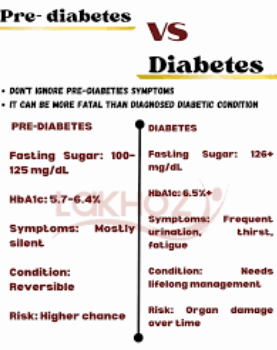
Prediabetes is a serious health condition where blood sugar levels are higher than normal but not yet high enough for a type two diabetes diagnosis. It indicates a high risk of developing type two diabetes, heart disease, and stroke. Often lacking clear symptoms it is largely reversible through lifestyle changes such as diet improvements, increased physical activity, and weight loss. Prediabetes occurs when cells become resistant to insulin causing glucose to build up in the blood.
Prediabetes has a very strong genetic component, as a family history of type two diabetes is a major risk factor. Genetics influence how your body produces insulin and manages glucose but it is often combined with environmental factors like diet and physical activity to trigger the condition. Having a parent sibling or close relative with type two diabetes significantly increases your risk. Genetics play a primary role in insulin resistance when cells don’t respond properly to insulin in the body and how fat is stored in the body.
Prediabetes can lead to premature death, primarily by significantly increasing the risk of fatal cardiovascular events (heart attack, stroke) , renal failure, and progression to type two diabetes. While not a direct cause of immediate death, untreated prediabetes damages blood vessels and organs and is associated with higher all cause mortality.


