
Diabetes is a chronic condition characterized by high blood sugar levels resulting from the pancreas not producing enough insulin or the body not using it effectively. Insulin is crucial for moving glucose from the blood stream into cells for energy, It is managed with medications and lifestyle changes.
Diabetes has a strong genetic component but it is not solely caused by genetics. Both type one and type two diabetes are influenced by inherited risk factors often combined with environmental triggers, lifestyle, and other factors. You can inherit a predisposition but having a parent with type one diabetes does not guarantee the disease.
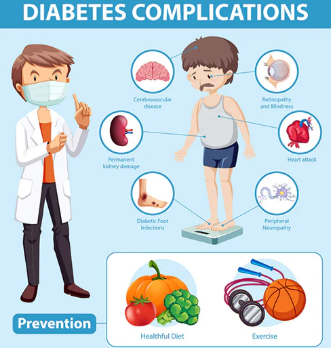
Diabetes can be deadly if left unmanaged or poorly controlled as it can cause fatal complications like heart attack, stroke, kidney failure, and severe infections. Consistently high blood sugar damages blood vessels and nerves over time, while sudden extreme spikes or dips in blood sugar can be immediately life threatening. Cardiovascular disease is the leading cause of death in people with diabetes.
The biggest risk associated with diabetes involves serious long term damage to blood vessels and nerves, which can affect nearly every organ in the body. Uncontrolled high blood sugar is the primary driver of these complications.


