
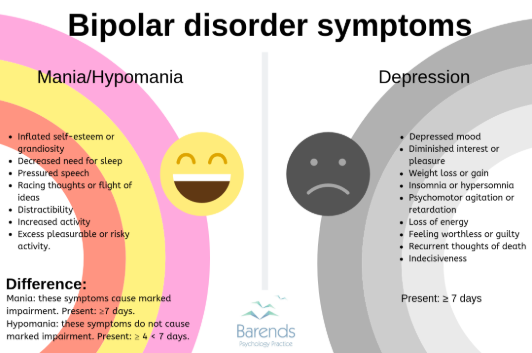
Bipolar disorder is a chronic mental health condition characterized by extreme, often debilitating shifts in mood, energy, and activity levels. These dramatic mood swings range from extreme highs to severe lows disrupting school, sleep, and daily functioning. It requires long term specialized treatment to manage. Manic episodes: symptoms include feeling unusually high euphoric or irritable and having excessive energy, needing little sleep, talking rapidly, racing thoughts, and engaging in risky behaviors.
Bipolar disorder is highly hereditary, with genetic factors accounting for approximately 60% to 85% of the risk. While it is not directly inherited, having a first degree relative with the condition increases the risk significantly. It involves multiple genes and environmental triggers. The vast majority of people with bipolar disorder are not dangerous or violent. While extreme mania or psychosis can sometimes lead to aggression, risk taking, or agitation this is not typical of the illness and is often linked to co-occurring substance abuse, lack of treatment, or post trauma.
Bipolar disorder is a relatively common mental health condition, affecting approximately 2.4% to 4.4% of adults worldwide in the u.s. During their lifetime. It typically emerges in late adolescence or early adulthood with nearly 5.7 million American adults experiencing it manually. Bipolar disorder can be fatal. While not directly fatal like a virus untreated or unmanaged bipolar disorder significantly increases the risk of premature death, with patients often living 10-13 years less than the general population due to suicide high risk behaviors and associated physical health issues.


