
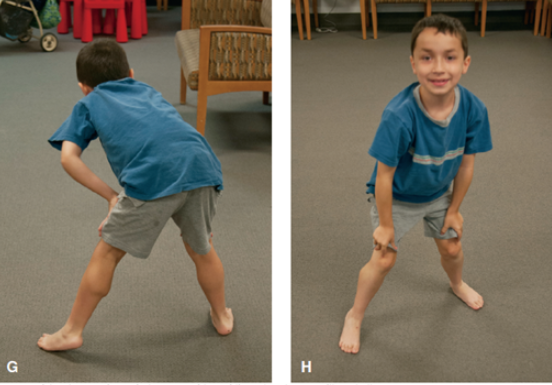
Duchenne Muscular Dystrophy (DMD) is a severe, genetic neuromuscular disorder primarily affecting young boys, characterized by progressive muscle degeneration and weakness due to a lack of the protein dystrophin. Symptoms usually appear between ages three and five leading to loss of ambulation and eventually respiratory or cardiac failure. While there are no cure treatments like steroids and gene therapies focus on managing symptoms.
Duchenne muscular dystrophy approximately affects 1 in 3,500 to 1 in 5,000 male births worldwide. It typically causes death in the twenties or early thirties due to respiratory or heart failure. While no cure exists, advancements in care ( steroids, ventilator support) have extended life expectancy with some individuals living into their thirties or forties.
Duchenne muscular dystrophy is passed down through an X-linked recessive inheritance pattern, primarily affecting boys. A mother who is a carrier has a 50% chance of passing the mutation to each son (who will have the disease) and a 50% chance of passing it to each daughter (who will be a carrier). About ⅓ of cases occur spontaneously without family history.
Duchenne muscular dystrophy primarily affects males because it is an X-linked chromosome disorder caused by mutations in the DMD gene on the X chromosome. Because males have only one X chromosome they lack a backup copy to produce the necessary muscle protein dystrophin whereas females usually have a second functional X chromosome.


