
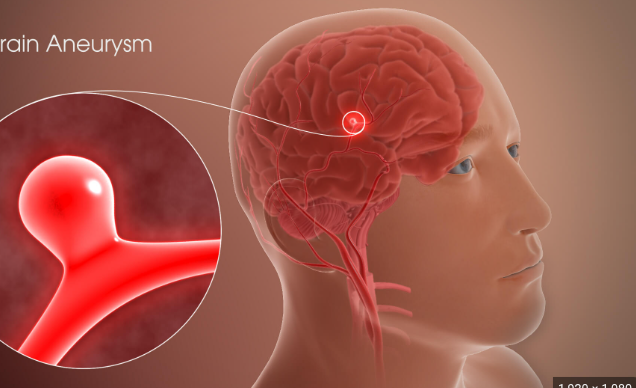
An Aneurysm is an abnormal bulge “ballooning” or weakening in the wall of an artery. Caused by high blood pressure, trauma, or congenital defects, these weak spots can grow and potentially rupture, causing life-threatening internal bleeding. They often have no symptoms until they burst though some press on nerves or tissues.
Aneurysms are weakened bulging blood vessel walls classified primarily by their location (aorta, brain, periphery) or shape (saccular, fusiform). The most common types include abdominal aortic (below the chest), thoracic aortic (in the chest), and cerebral (brain) aneurysms. A ruptured aneurysm is a life-threatening emergency requiring immediate medical attention.
Aneurysms are most common in adults aged 35-60 for brain aneurysms and over sixty five for aortic aneurysms. Women are more likely to develop brain aneurysms (1.5 times more than men), while men have a higher risk for abdominal aortic aneurysms. Primary risk factors include smoking, high blood pressure (hypertension), and a family history.
Aneurysm treatments aim to prevent rupture through surgical clipping, endovascular coiling, or flow diverting stents. With roughly fifty percent of brain aneurysms managed without open surgery. Treatment for unruptured aneurysms involves monitoring lifestyle changes and blood pressure medication. Ruptured aneurysms require emergency surgical intervention.
About one in fifty people in the United States have an unruptured brain aneurysm. While they are relatively common most remain small and never rupture as only about thirty thousand people suffer a ruptured brain aneurysm annually. They are most common in people aged thirty five – sixty and are more frequent in women.


