
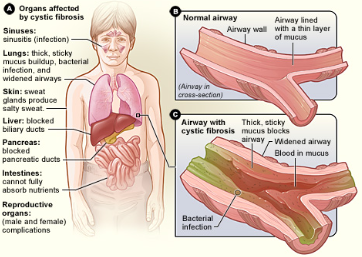
Cystic Fibrosis is a progressive inherited genetic disorder that causes severe damage to the lungs, digestive system, and other organs. It causes the body to produce thick sticky mucus that clogs the airways leading to chronic infections, breathing difficulties and poor nutrient absorption. While there is no cure, modern treatments have significantly improved life expectancy.
Cystic Fibrosis is an inherited, genetic disorder caused by mutations in the CFTR gene. A person must inherit two copies of the defective gene one from each parent to develop the condition. It is an autosomal recessive disease meaning carriers with only one copy do not have the disease.
Cystic fibrosis treatments while not curing the disease significantly extend life expectancy and improve quality of life by focusing on clearing airway mucus treating infections and aiding digestion. Core therapies include daily chest physical therapy, inhaled mucolytics, antibiotics, and specialized CFTR modulators. Other treatments include nutritional support with pancreatic enzymes, anti inflammatories and lung transplants for advanced cases.
Cystic Fibrosis is a chronic life threatening genetic disease but it is no longer considered strictly fatal in childhood. Modern treatments such as CFTR modulators have significantly improved life expectancy with many patients now living in their fifties sixties or beyond. It causes severe damage to the lungs and digestive system.


