
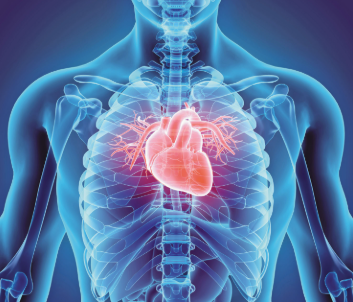
A heart attack is also known as a myocardial infarction. It happens when the flow of blood that brings oxygen to a part of your heart muscle suddenly becomes blocked. Your heart can’t get enough oxygen. If blood flow is not restored quickly the heart muscle will begin to die. Heart attacks are very common.
The most common age for a first heart attack is around sixty five for men and seventy two for women. While risk increases significantly with age with most fatalities occurring over sixty five. Heart attacks are rising in young adults due to high rates of diabetes, obesity and hypertension.
The leading cause of a heart attack is coronary artery disease (CAD). A condition where plaque builds up in the arteries and restricts blood flow to the heart muscle. When this plaque ruptures it causes a blood clot that blocks the artery resulting in a heart attack.
Avoiding heart attacks involves adopting a heart healthy lifestyle. Eating a diet rich in fruits, vegetables, and whole grains while limiting salt and saturated fats. Regular physical activity, maintaining a healthy weight, smoking cessation, and managing stress are crucial. Key steps also include regular blood pressure and cholesterol checkups.
Uncommon causes of heart attacks often affect younger individuals or those without traditional risk factors. These risk factors include spontaneous coronary artery dissection, a sudden tear in an artery wall and coronary artery spasms. Other unusual causes include extreme emotional stress, severe infections, carbon monoxide poisoning, and congenital heart defects.


