
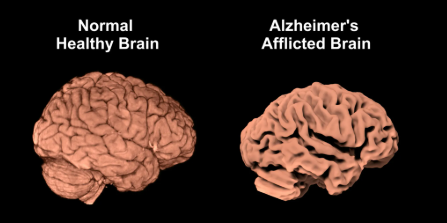
Alzheimer’s disease is a progressive brain disorder that slowly destroys memory and thinking skills, leading to severe cognitive decline, confusion, behavioral changes, and eventual loss of the ability to perform daily tasks like eating or walking with symptoms starting subtly in memory and judgement but worsening over time. It’s the most common form of dementia, caused by complex brain changes like abnormal protein buildup. While there’s no cure, treatments can help manage symptoms and age is the biggest risk factor with millions affected primarily by other adults.
Alzheimer’s is most common in adults aged sixty five and older with risk increasing significantly with age. While it can affect people in their forties or fifties only about 5% of cases are early onset. The prevalence rises sharply affecting roughly one in fourteen people over sixty five and one and three people over eighty five.
Alzheimer’s is caused by a complex progressive and not fully understood combination of brain changes, genetics, environmental, and lifestyle factors. The primary mechanism involves the abnormal buildup of proteins, amyloid plaques and tau tangles-that destroy nerve cells and disrupt communication causing brain shrinkage and cognitive decline.
There is currently no cure for Alzheimer’s disease. However, several medications and treatment strategies can help manage symptoms, slow progression of the disease in its early stages and improve the quality of life for those affected. But there are several treatments to manage symptoms.


