
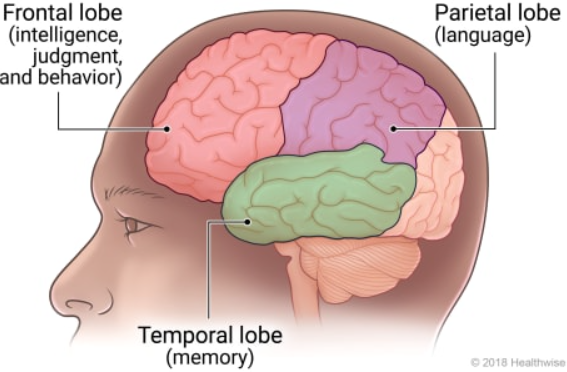
Dementia is an umbrella term for a range of progressive neurological conditions not a specific disease characterized by a decline in memory, language, problem solving, and other thinking skills severe enough to affect daily life. Caused by damaged brain cells it commonly includes symptoms like memory loss confusion and personality changes. While not a normal part of aging it is commonly caused by diseases like Alzheimer’s with risks increasing with age.
Dementia is most common in people aged sixty five and older with the risk increasing significantly with age particularly after seventy five and even more so after eighty five. But it’s not a normal part of aging and can affect younger individuals known as early on set dementia. While most cases occur in older adults some types like frontotemporal Dementia are more prevalent in people between forty five and sixty five. The risk starts rising and nearly 10% of U.S. adults in this age group have Dementia according to a Columbia University study.
Dementia causes widespread damage to brain cells (neurons) forcing them to lose connections, stop functioning, and eventually die. This neurodegeneration leads to significant brain shrinkage and disrupts vital cognitive processes like memory, language, and reasoning. The damage often starts in specific areas such as the hippocampus affecting memory before spreading to other brain regions.
Cell death and shrinkage: neurons break down causing the brain to physically shrink with significant damage often starting in areas responsible for learning and memory. Abnormal Protein Deposits: Diseases like Alzheimer’s cause abnormal build up of proteins which disrupt the transportation of nutrients and destroy connections between neurons. Reduced Communication: Damaged neurons cannot effectively transmit electrical signals blocking communication between different brain regions.


